Topic Catalogue

An overview of the principal nutritional categories explored on this site. Each topic section provides general educational context drawn from established nutritional science — presented without commercial intent or individual guidance.

Educational content only. All topic descriptions on this page are provided for general informational purposes. They do not represent product claims, health assertions, or individualised recommendations. No promises of outcomes are made or implied.

Overhead arrangement of B-vitamin-rich foods on a dark slate surface: whole grain bread slices, a small bowl of lentils, hard-boiled eggs, and fresh spinach leaves, moody directional light
Nutrient Group 01

B-Vitamin Complex

A family of eight water-soluble vitamins — thiamine through cobalamin — each with a distinct role in supporting normal energy metabolism, red blood cell formation, and nervous system function. Widely distributed across whole grains, legumes, and animal products.

  • Support for normal energy-yielding metabolism
  • Contribution to normal neurological function
  • Role in normal red blood cell formation

Learn More
Flat lay of micronutrient-rich whole foods on a cream linen background: Brazil nuts, sunflower seeds, dried figs, dark chocolate, and a small dish of sea vegetables, soft top-down natural light
Nutrient Group 02

Trace Micronutrients

Essential minerals required in small but precise amounts — including zinc, selenium, iodine, copper, and manganese. Despite the quantities involved, their absence from the diet has been documented extensively in the nutritional literature as having wide-ranging physiological consequences.

  • Participation in normal enzyme activity
  • Contribution to normal immune system function
  • Role in protection against oxidative stress
Learn More
Close-up of a vibrant mixed berry collection in a rustic ceramic bowl — blueberries, raspberries, blackberries, and pomegranate seeds — on a dark weathered wood surface, natural window light
Nutrient Group 03

Antioxidant Compounds

A broad category encompassing vitamins C and E, selenium, and numerous phytochemicals such as carotenoids and flavonoids. These compounds are studied for their interactions with free radicals produced during normal cellular metabolism and environmental exposure.

  • Context of normal cellular metabolism
  • Presence in colourful plant-based foods
  • Scientific interest in dietary patterns and antioxidant intake
Learn More
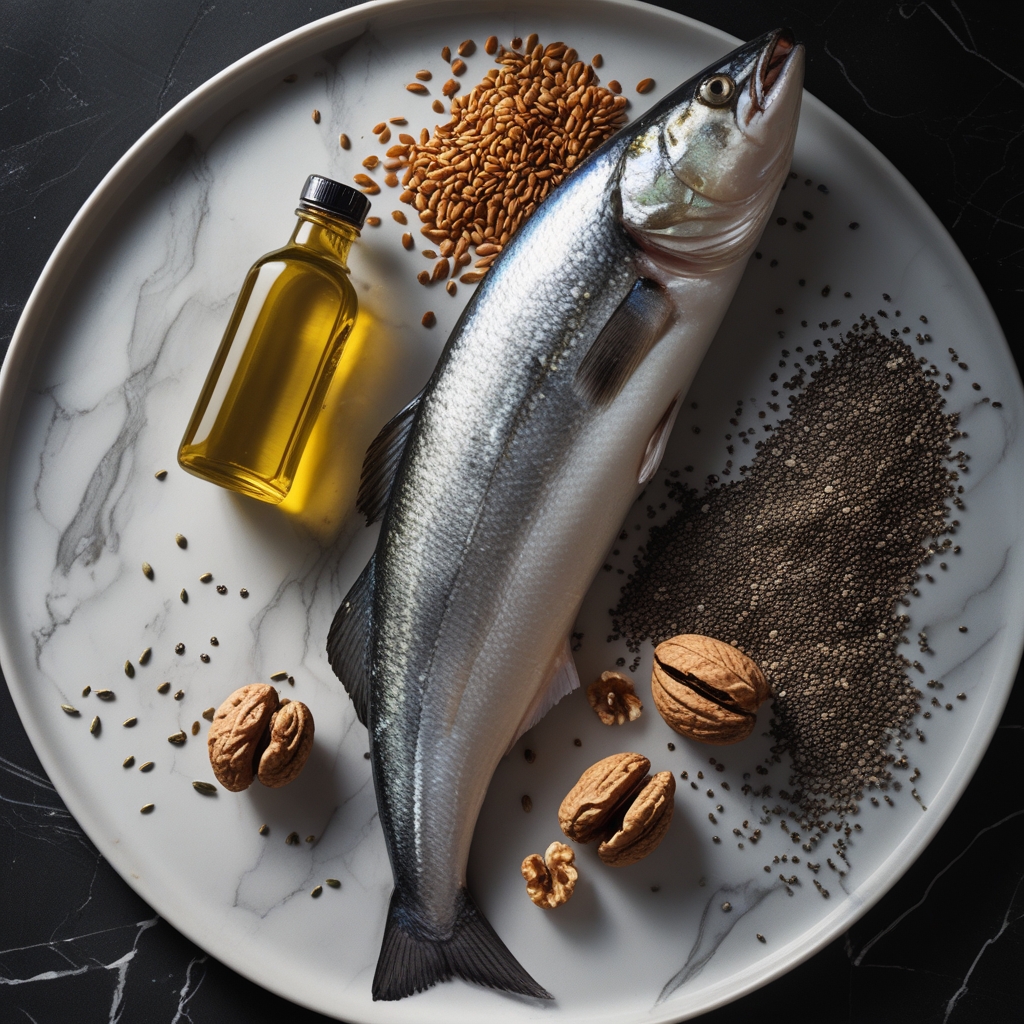
Overhead still life of omega-rich foods on a white marble surface: a whole mackerel fish, a small glass bottle of golden flaxseed oil, a handful of walnuts, and scattered chia seeds, clean bright light
Nutrient Group 04

Essential Fatty Acids

Omega-3 and omega-6 polyunsaturated fatty acids that the body cannot synthesise in adequate amounts independently. Found in fatty fish, flaxseeds, walnuts, and plant oils, these lipids are structural components of cell membranes and are studied extensively in nutritional science.

  • Structural role in cell membrane composition
  • Presence in both marine and plant-derived food sources
  • Subject of broad nutritional research interest
Learn More
Rustic wooden board with protein-rich whole foods: a cooked chicken breast, a bowl of cooked quinoa, sliced tempeh, and dried legumes in small ceramic bowls, warm side lighting
Nutrient Group 05

Amino Acids from Dietary Protein

Proteins are composed of amino acid chains, nine of which are considered essential and must be obtained through food. Complete protein sources — including eggs, meat, fish, dairy, and soy — provide all nine essential amino acids. Incomplete sources can be combined to achieve adequate intake across a day.

  • Building blocks for structural and functional proteins
  • Varied distribution across animal and plant food sources
  • Concept of essential versus conditionally essential amino acids
Learn More
Colourful arrangement of phytonutrient-rich vegetables and herbs on a light stone surface: sliced purple cabbage, turmeric root, fresh parsley, green tea leaves, and red onion, natural overhead lighting
Nutrient Group 06

Phytonutrients

Naturally occurring plant-derived compounds — including carotenoids, flavonoids, glucosinolates, and polyphenols — that are not classified as essential nutrients but are the subject of active nutritional research. Their dietary presence is associated with the consumption of diverse plant-based foods.

  • Widespread presence in vegetables, fruits, herbs, and spices
  • Diversity of compound classes and dietary sources
  • Ongoing area of nutritional and dietary pattern research
Learn More
Informational Notice

The topic descriptions presented in this catalogue are general educational overviews. They do not represent health claims, product endorsements, or individual guidance. The information on this site is not a substitute for professional dietary advice. Consult a qualified nutritionist or healthcare professional for personal dietary questions.

Explore Foundational Concepts

The main reference page covers the historical development of nutritional science, key vitamins, minerals, lifestyle context, and frequently asked questions in an integrated educational format.